Summer 2026 · Austin, Texas
Design, build, and hot fire your own liquid bipropellant rocket engine.
The kind SpaceX, Blue Origin, and Firefly actually use. One month in Austin, Texas with Dr. Leon Vanstone, founder of the Texas Rocket Engineering Lab. Summer 2026.
High school doesn't teach this. We do.
If you want to work at a real launch company. If you want to be the person who literally builds the rocket on the floor at SpaceX or Firefly. If you want to get into a serious aerospace program at MIT, Princeton, Purdue, or anywhere else that takes propulsion seriously. You need experience with liquid bipropellant rocketry.
It's the form of propulsion every major launch provider uses. It's what recruiters at SpaceX, Blue Origin, Rocket Lab, and Firefly look for on a resume, full stop. And in a college application stack of robotics clubs and AP classes, it stands out because there is nothing else like it.
Almost no high school in the country offers it. Most universities don't even let undergraduates touch it.
This summer, you will.
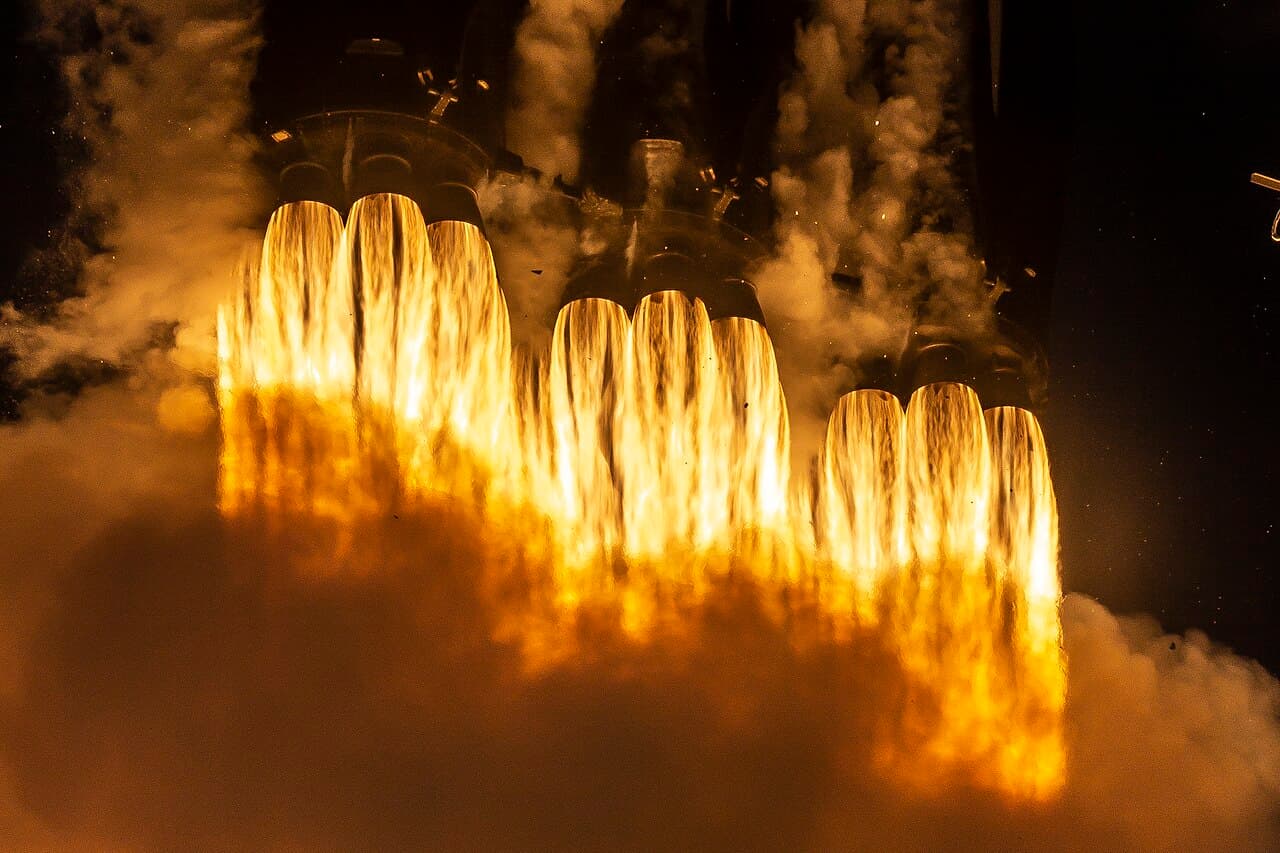
Thirty days. Three phases. One engine you fire yourself.
Phase one.
Design.
You learn the fundamentals of liquid bipropellant propulsion. Combustion chambers, feed systems, ignition, instrumentation. Then you and your team take a reference design and adapt it. By the end of the design phase, you have a real, manufacturable engine on paper, and you understand every decision in it.
Phase two.
Build.
You and your team of three to five students fabricate and assemble your engine using the advanced manufacturing methods professional teams use. You wire your own instrumentation. You run initial checkouts. You catch and fix your own mistakes.
Phase three.
Hot fire.
Hot fire is the headline, but Phase three is really a qualification testing campaign. It's the same kind of testing sequence SpaceX and Firefly use on production engines: inspect the injectors, leak check, cold flow, hot fire. You run all of them on your engine. With telemetry. With footage. With a real combustion event you built with your own hands. Every person on every team will run a hot fire.
Some tests will fail. A fitting will leak. A cold flow will show a restriction in a line. A hot fire will end early because something didn't behave the way the model said it would. Your team will use the telemetry, the video, and the data to figure out why. You will fix it. You will run it again. The hours between the failures and the fixes are the reason the testing week is the most important week of the boot camp. It's the reason the program ends with a test campaign and not a presentation.
You leave with the data, the footage, and something almost no high school student in the country can claim.
Two reasons. Both are good ones.
The first is the differentiator. Almost no high school in the country teaches liquid bipropellant rocketry. Almost no university lets undergraduates touch it. The number of high school students in America who can claim they have designed, built, and fired their own engine fits in a single classroom. The students who leave this boot camp are in that room.
What looks like rocketry from the outside is actually a stack of every hard engineering discipline. Building an engine is precision manufacturing and welding. It is instrumentation, embedded systems, and real-time control. It is materials science, combustion chemistry, fluid dynamics, and structural analysis. The reason aerospace recruiters and admissions officers pay attention to this kind of experience is not because they specifically need a rocket person. It is because anyone who has solved a hard rocket problem has, by definition, solved versions of every adjacent hard problem. Rocket engineering is everything engineering. The students who finish this program are competitive for the same opportunities in advanced manufacturing, semiconductors, robotics, defense, and any other field where hard physical engineering is the work.
The second is simpler. Some of you watched a Falcon 9 light up and decided right then that was the most exciting thing you'd ever seen, and you've been waiting for somewhere that would actually let you do it.
This is that place.
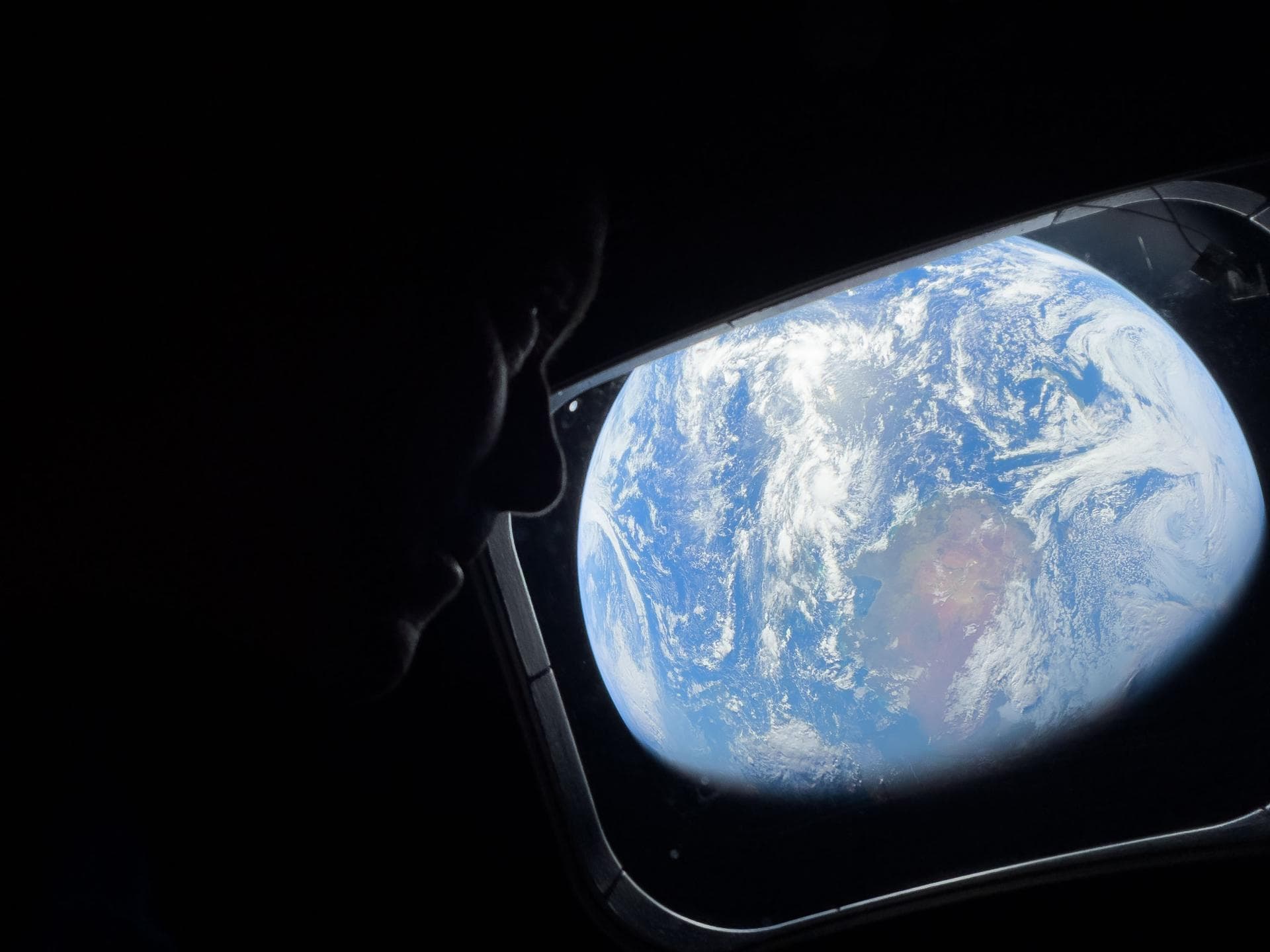

Taught by rocket scientist Dr. Leon Vanstone.
Dr. Vanstone was a researcher and lecturer at the University of Texas at Austin, where he taught the fundamentals of rocketry. While there, he founded the Texas Rocket Engineering Lab (TREL), one of the preeminent student liquid bipropellant programs in the country, where students regularly work on vehicles substantially larger than the ones built in this boot camp.
He founded Swift Rocket Boot Camp to bring that same kind of opportunity to a wider audience: to high school students and to skilled technicians who want hands-on experience with the principles of rocketry.
His archived research is available on Google Scholar.
In the Austin area, at a purpose-built facility.
The equipment, the space, and the safety infrastructure to do real propulsion work. You won't be doing this in a classroom.

Summer 2026. In Austin. Full details coming soon.
The program is fully hands-on and in-person, hosted in the Austin area. We're locking in exact dates, cohort size, and the application process now. The first cohort will be thirty to fifty students, working in teams of three to five. Join the waitlist to get the full program details before applications open, and to be considered for early access.
Tuition
Tuition
$3,000
$3,000 for the full month. All materials, consumables, facility access, and supervised hot fire included.
Lodging and transportation to and between sites are the responsibility of students and their families.
Join the waitlist.
We'll send full program details, exact dates, and application instructions before public release. Waitlist members get first access to the cohort.

For parents.
This program is intensive but managed. Dr. Vanstone has supervised liquid bipropellant rocketry with students for years, routinely on vehicles larger than what students will build at this boot camp. The reference engine has been successfully fired by other student teams under his guidance, and the design has strong flight heritage. The work happens at a real industrial facility, not an improvised classroom space.
What students leave with is more than a project to put on an application. They leave with the experience of taking a difficult, multi-disciplinary problem from blank page to operating hardware. They leave with the proof that they can work on a team where the stakes are real, the deadlines are not optional, and the wrong answer is recoverable but not free. Those are the habits universities and employers actually evaluate for. The technical fluency is the prerequisite. The judgment under pressure and the ownership of outcomes are the differentiator.
Daily structure, supervision ratios, safety protocols, parental consent, insurance, and logistics will be detailed in the full program packet released to waitlist members before applications open. The program is open to anyone aged 16 or older at the time the program begins who wants hands-on liquid rocketry experience. No prior rocketry experience is required, but a real interest in engineering, physics, or building things is essential.
If you want to talk through the program in detail before joining the waitlist, you can reach us at bootcamp@swiftrocket.org.
Serious hardware, serious rules.
The reference design used in this boot camp, and the technical knowledge required to build and fire the engine, are subject to U.S. export control regulations under ITAR. The same regulations apply to the engines at SpaceX, Blue Origin, Rocket Lab, and Firefly. The U.S. government does not regulate hobbyist rocketry. It regulates this for the same reason it regulates the rest of the U.S. launch industry: this is the kind of engine that puts real vehicles into orbit.
In practice: all participants must be US persons (US citizens, lawful permanent residents, or other protected individuals under U.S. law). Foreign nationals are not eligible without an export license, and this program does not pursue licenses for participants. If you are unsure whether you qualify, ask before applying.